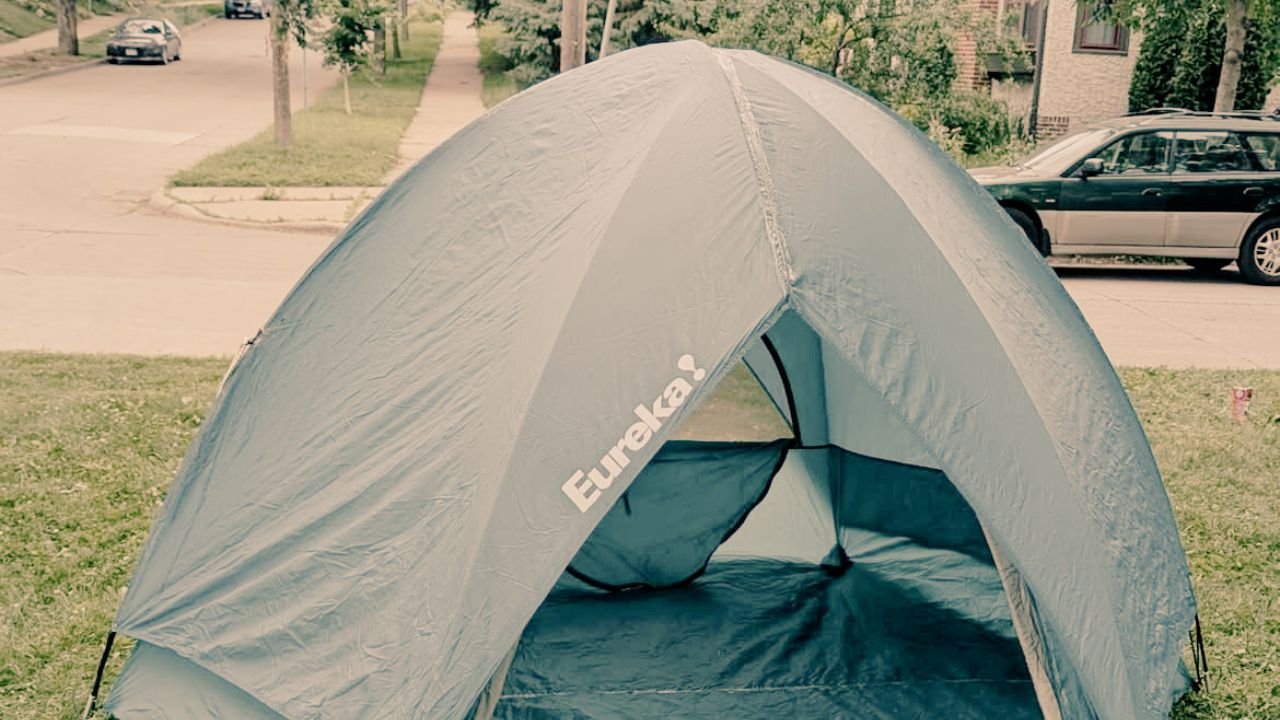
If you searched for Eureka tents recently and landed on a farewell page instead of a product catalog, you are not imagining things. The consumer camping brand that millions of campers, scouts, and backpackers relied on for decades is effectively done in North America.
This article covers exactly what happened, why Johnson Outdoors made this call, what it means if you already own Eureka gear, and where things stand right now with the brand.
The Short Answer: Eureka’s Consumer Camping Business Is Closed
Yes, Eureka’s consumer camping business is finished. On October 19, 2023, Johnson Outdoors announced it would exit the Eureka consumer camping business and stop selling products by the end of 2024.
On October 30, 2024, Eureka’s official website confirmed it would no longer manufacture or sell camping equipment on its US and Canada sites. That covers tents, packs, and accessories — the full consumer product line, not a partial reduction.
There is one important nuance worth knowing upfront. Eureka is not completely gone in every form. A separate commercial and military tent division was sold to another company earlier in 2023. But the consumer camping brand that North American customers knew? That is finished. More on the commercial side below.
The Corporate Decision Behind the Exit
Johnson Outdoors did not close Eureka because the parent company is in financial trouble. This was a deliberate resource allocation decision — the kind that large companies make when a business unit no longer fits their strategic priorities.
The company decided to concentrate resources on Jetboil and its cooking segment, where it holds a much stronger market position. CEO Helen Johnson-Leipold called it a “very tough” decision, but framed it as necessary for long-term focus.
The financial details back that up. CFO David Johnson stated the Eureka exit would affect company sales by less than 1% in fiscal 2024 and result in a $4 million charge in FY 2023. Those are not the numbers of a brand that was carrying the business. Eureka was a small piece of a larger portfolio.
The underlying logic is straightforward. Tent manufacturing is low-margin and highly competitive. Brands compete heavily on price, and there is no shortage of options in the market. Jetboil, on the other hand, operates in a more defensible niche with stronger margins and brand loyalty. Cutting a small, competitive product line to invest in a stronger one is basic business sense, even when it is an emotional decision for the people involved.
The Split Between Consumer Tents and the Military Division
This is where a lot of confusion comes in, so it is worth being direct about what actually happened.
In March 2023 — several months before the consumer exit announcement — Johnson Outdoors sold Eureka’s military and commercial tent division to Rekord Group, a Poland-based company. That sale did not include the Eureka brand name or the consumer camping business.
Rekord Group continues producing large-format commercial and military-style tents. But this has no practical bearing on recreational buyers. If you are looking for a backpacking tent or a car camping setup, the Rekord deal does nothing for you. Their operation is B2B and institutional, not retail.
Think of it like a car model being discontinued. The factory that made commercial fleet vehicles from the same manufacturer might still be running, but the consumer model you could walk into a dealership and buy? Gone. That is roughly the situation here.
As for the Eureka brand name itself — Johnson Outdoors retained it when the military division was sold. What they plan to do with it, if anything, has not been publicly announced. Industry observers have noted that the brand name’s future is uncertain, but there is no public information suggesting a new consumer product line is coming. Treat it as unresolved until there is concrete news.
What This Means for People Who Already Own Eureka Gear
If you own Eureka gear, here is the practical picture.
Johnson Outdoors committed to fulfilling customer requirements through the end of 2024. Beyond that, direct support is unclear. Eureka’s farewell page lists two support email addresses for ongoing warranty or product questions:
- US customers: camping@johnsonoutdoors.com
- Canada customers: eurekacanada@johnsonoutdoors.com
Reach out to those contacts while they remain active. There is no guarantee how long they will be monitored.
Going forward, treat your Eureka gear the same way you would treat any discontinued product line. The brand is not coming back with new parts and updated models. Here is what actually makes sense to do:
- Buy spare poles, stakes, and repair kits now while third-party stock is still available. Generic tent poles are measured by diameter and length, so many Eureka models can use standard replacement parts.
- Perform preventive maintenance — seam seal the fly, inspect pole sleeves, check zippers. Fixing issues now is easier than dealing with a failure in the field later.
- Learn basic repairs. Patching fabric, replacing shock cord in poles, and resealing seams are all skills that will extend the life of your tent without needing brand-specific service.
- Check clearance retailers and resellers if you need a replacement part or want a backup tent. Remaining Eureka inventory will surface on Amazon, eBay, and outdoor gear clearance sites for some time.
If you are an institution — a scout troop, outfitter, or camp — that has relied on Eureka’s Timberline or similar models for years, this requires a longer-term transition plan. Your existing tents will keep working as long as you maintain them well, but planning for eventual replacement with another brand is now a practical necessity rather than a distant consideration.
A Brief Look at Eureka’s History
Eureka had a 128-year run as a camping brand, headquartered in Binghamton, New York. Johnson Outdoors acquired the company in 1973 and built it into a widely recognized name in affordable, durable camping gear.
The Timberline tent became one of the most recognizable camping products in North America, used by scout troops, youth camps, and budget-conscious hikers for generations. It was not cutting-edge performance gear, but it was reliable, affordable, and built to take years of use.
That kind of brand does not disappear easily from people’s memories, which explains the strong community reaction — forum threads, YouTube tributes, and social media posts mourning the end of a brand many people grew up camping with. The nostalgia is real, even if it does not change the business outcome.
What Prospective Buyers Should Know
If you are considering buying a used or clearance Eureka tent, go in with clear expectations. You are buying from a discontinued line. No new models are coming. Warranty support is effectively over. Parts will need to come from generic suppliers or whatever remaining stock exists.
That does not mean a used Eureka tent is a bad buy — many of their models were genuinely well-made. But it does mean you should factor repairability into the decision. Check the poles carefully. Look at the seams. A tent that needs immediate repairs on a discontinued brand is a harder investment than one in solid condition.
For those looking at new tent purchases, the market has no shortage of solid alternatives. Brands like MSR, Big Agnes, Kelty, and REI Co-op cover similar price points and use cases. This is not a situation where the market lost something irreplaceable — it is more that a familiar name is no longer part of it.
For more practical business and consumer guidance, StepBusinessAdvice covers decisions like these with straightforward analysis.
The Bottom Line
Eureka’s consumer camping business is closed. The decision came from Johnson Outdoors in late 2023, sales wound down through 2024, and the official end of manufacturing and sales on US and Canada sites was confirmed on October 30, 2024.
The military and commercial tent division lives on under Rekord Group, but that has no impact on recreational buyers. The Eureka brand name remains with Johnson Outdoors, though what happens to it next is publicly unresolved.
If you own Eureka gear, maintain it well, stock up on generic replacement parts, and use the support email contacts while they are still active. If you are shopping for new gear, buy from a brand that will still be around to support it.
This is a clean example of a corporate portfolio decision — not a company collapse, not a scandal, just a parent company cutting a low-margin product line to focus on a stronger one. The brand had a long run. Now it is over in its consumer form.
Also Read: