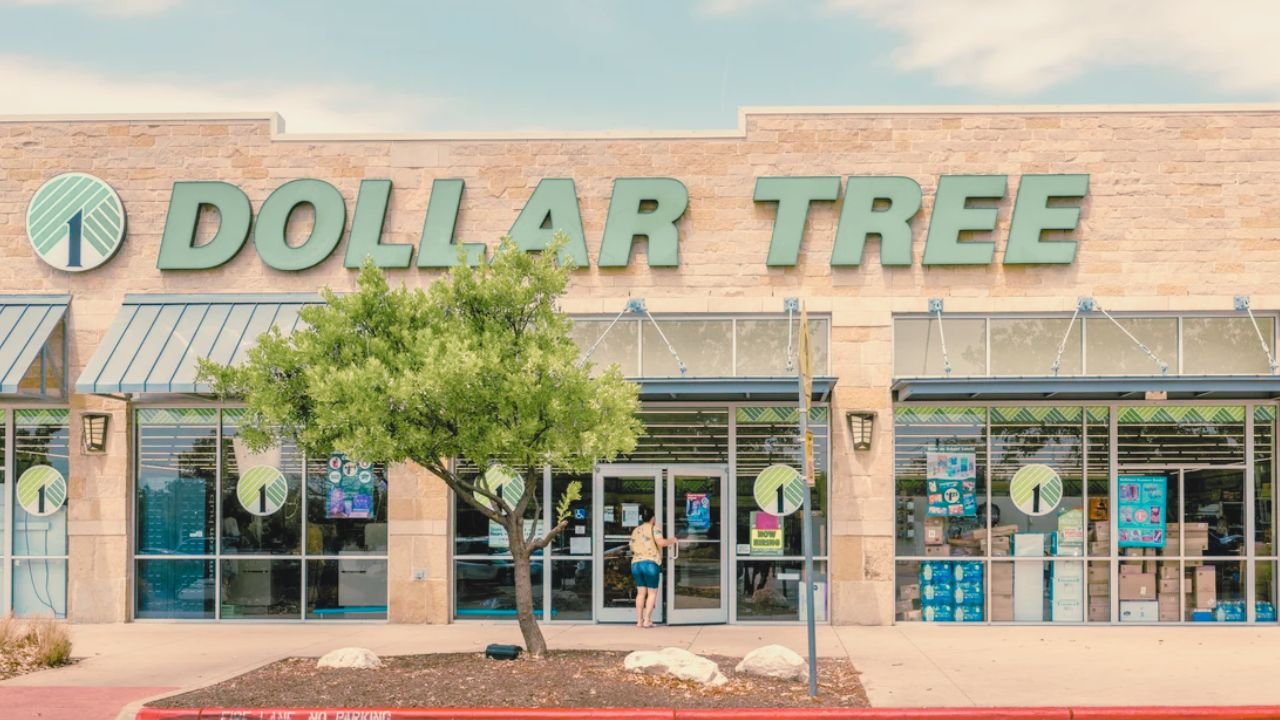
If you’ve seen headlines about Dollar Tree closing stores — or noticed a nearby location shut down — it’s easy to wonder whether the chain is headed for collapse. The short answer is no. But the full picture is more nuanced than most headlines suggest.
This article breaks down whether Dollar Tree is actually going out of business, how many stores are closing and why, what’s happening with Family Dollar specifically, and what the company’s real strategy looks like right now.
Dollar Tree Is Not Going Out of Business
Let’s start with the direct answer: Dollar Tree is not shutting down, filing for bankruptcy, or liquidating its operations.
The company still operates thousands of active stores across the country. Store closures are happening, but closures and business failure are two completely different things. A retailer can close underperforming locations while still running a healthy, growing business overall.
In fact, Dollar Tree expects to open roughly 400 new stores in fiscal 2026. That number far outpaces the closures planned for the same period. That’s not what a company going out of business looks like.
How Many Dollar Tree Stores Are Actually Closing
The real closure numbers are much smaller than many headlines imply — at least when it comes to Dollar Tree-branded stores specifically.
Dollar Tree expects to close approximately 75 Dollar Tree-branded stores in fiscal 2026. At the same time, it plans to open around 400 new stores during that same period. That means the overall store count is expected to grow, not shrink.
Earlier rounds of closures included about 30 Dollar Tree-branded stores tied to lease expirations. That’s a normal part of retail operations — when a lease ends and a location isn’t performing, the company doesn’t renew it.
Closures also don’t happen all at once. Many are spread out over time as individual leases expire, which is why you might hear about closures happening in waves rather than as a single event.
The problem with most headlines is that they report closures without mentioning new openings. That gives readers half the picture. Seventy-five closures sounds alarming in isolation. It sounds very different next to 400 new openings.
Family Dollar Is the Real Story Behind the Mass Closure Headlines
Here’s where it gets important. When you see headlines about Dollar Tree closing hundreds or even a thousand stores, most of those closures involve Family Dollar — not Dollar Tree-branded locations.
Dollar Tree owns Family Dollar. And Family Dollar has faced far heavier restructuring than the Dollar Tree brand itself.
Earlier plans included closing roughly 600 Family Dollar stores. That was followed by an announcement of 370 additional Family Dollar closures, along with about 30 Dollar Tree stores. By recent reporting, Dollar Tree had already closed nearly 700 underperforming Family Dollar locations.
So when a headline says “Dollar Tree is closing 1,000 stores,” the vast majority of those are Family Dollar stores. The two brands operate differently, serve somewhat different markets, and have had very different performance trajectories.
Readers who don’t catch that distinction may walk away thinking Dollar Tree-branded stores are disappearing at the same rate. They’re not.
Why Dollar Tree Is Selling Off Family Dollar
Beyond the closures, Dollar Tree has also announced plans to sell Family Dollar entirely. This is a restructuring decision, not a sign that the whole company is falling apart.
Selling off a struggling subsidiary to refocus on a stronger core brand is a common move in retail. It’s not unusual — it’s actually considered disciplined management when a company recognizes that one part of its business is dragging down the rest.
The Family Dollar acquisition was widely viewed as a difficult deal from the beginning. The brand served a different customer base, operated in harder markets, and required a different operational model. Divesting it allows Dollar Tree to concentrate its capital, attention, and store strategy on its primary brand.
A company selling a division is not the same as a company going out of business. The distinction matters. One is a strategic decision. The other is a financial collapse. Dollar Tree is doing the former.
What “Portfolio Optimization” Means in Plain Terms
Dollar Tree executives have used the phrase “portfolio optimization” to describe their closure strategy. That’s corporate language for something fairly simple: close the stores that aren’t working, keep the ones that are, and open new ones in better locations.
This is standard retail management. It’s not a warning sign — it’s what competent retailers are supposed to do.
Think of it like a restaurant chain that shuts down three poorly performing locations in one city while opening five new ones in stronger markets. The brand isn’t dying. It’s rebalancing.
The same logic applies here. Closing 75 underperforming stores while opening 400 new ones in better markets isn’t a retreat. It’s a deliberate reallocation of resources toward locations that can actually generate returns.
Why These Headlines Keep Causing Confusion
There are a few reasons why so many people come away thinking Dollar Tree is going under.
- Headlines focus on closures, not openings. “Dollar Tree closing stores” gets clicks. “Dollar Tree opening 400 stores” gets fewer. Most readers only see one side of the story.
- Family Dollar and Dollar Tree get lumped together. They’re owned by the same parent company, but they’re different brands with different problems. Treating them as the same thing distorts the picture.
- Local store closures feel significant. If your local Dollar Tree shuts down, it feels like the brand is failing — even if the company is growing nationally. Personal experience doesn’t always reflect the broader business reality.
- Big closure numbers sound alarming out of context. “1,000 store closures” is a large number. But if it’s spread across two brands, phased over multiple years, and offset by new openings, the actual impact is far less dramatic.
Understanding the difference between a store closure and a business failure is a useful lens — not just for reading retail news, but for evaluating any business situation. Individual location performance and company-wide health are separate metrics.
What This Means If You’re Watching Dollar Tree as a Business
If you’re an entrepreneur, investor, or retail professional watching this situation, a few practical takeaways stand out.
First, Dollar Tree is actively managing its store footprint rather than letting it drift. Closing weak locations and opening new ones in better markets is a sign of operational discipline, not desperation.
Second, the Family Dollar divestiture suggests the company is willing to make hard calls about what it owns. Holding onto a poorly performing subsidiary because of sunk cost is a common business mistake. Selling it off to refocus is the smarter move, even if it’s painful short-term.
Third, the discount retail space is competitive and shifting. Dollar Tree has had to adjust its pricing strategy — moving some items above the traditional $1 price point — and manage real cost pressures from inflation and supply chain changes. That’s context worth keeping in mind when evaluating its store decisions.
For more practical breakdowns of business decisions like this one, Step Business Advice covers real business situations in plain terms.
The Bottom Line
Dollar Tree is not going out of business. It is closing some stores — mostly Family Dollar locations — while opening significantly more new ones. It is selling off a subsidiary that wasn’t working. And it is restructuring its store portfolio to focus on stronger markets.
That’s not a company in collapse. That’s a company making adjustments, some of which are overdue.
If your local Dollar Tree closed, that’s a real event worth noting. But it doesn’t tell you what’s happening to the business as a whole. For that, you need the full picture — not just the headline.
Also Read: