Cottage cheese has gone from a forgotten grocery staple to one of the hardest items to find on supermarket shelves. And the reasons behind that shift say a lot about how quickly a social media trend can break a supply chain.
This article covers why demand surged so fast, why supply couldn’t keep up, how prices have changed, what brands and retailers are doing about it, and whether this is a short-term blip or a longer shift in the dairy category.
How TikTok Turned Cottage Cheese Into a Supply Chain Problem
A few years ago, cottage cheese was mostly associated with diet culture from the 1970s. Then TikTok happened.
Starting around 2023, creators began posting videos using cottage cheese in recipes most people would never have expected—ice cream, smoothies, pasta sauces, toast spreads, and dips. The appeal was simple: cottage cheese has roughly 14 grams of protein per serving, which made it a natural fit for the growing “protein maxxing” trend, where fitness-focused people try to hit high daily protein targets through every meal.
The numbers tell the story clearly. U.S. cottage cheese sales surpassed $2 billion in 2025, up approximately 82% since late 2022. That kind of growth over such a short time is not something any demand forecast was going to catch.
No seasonal model or promotional plan accounts for a recipe going viral overnight and sending millions of people to the grocery store for the same product at the same time. It’s the same dynamic that cleared store shelves of instant coffee when the “whipped coffee” trend hit. The product doesn’t change—the demand just spikes in a way the supply chain has no time to absorb.
Why Dairy Producers Couldn’t Simply Make More
The first thing worth understanding is that this shortage is not about a lack of milk. Raw dairy inputs are available. The problem is processing and packaging capacity.
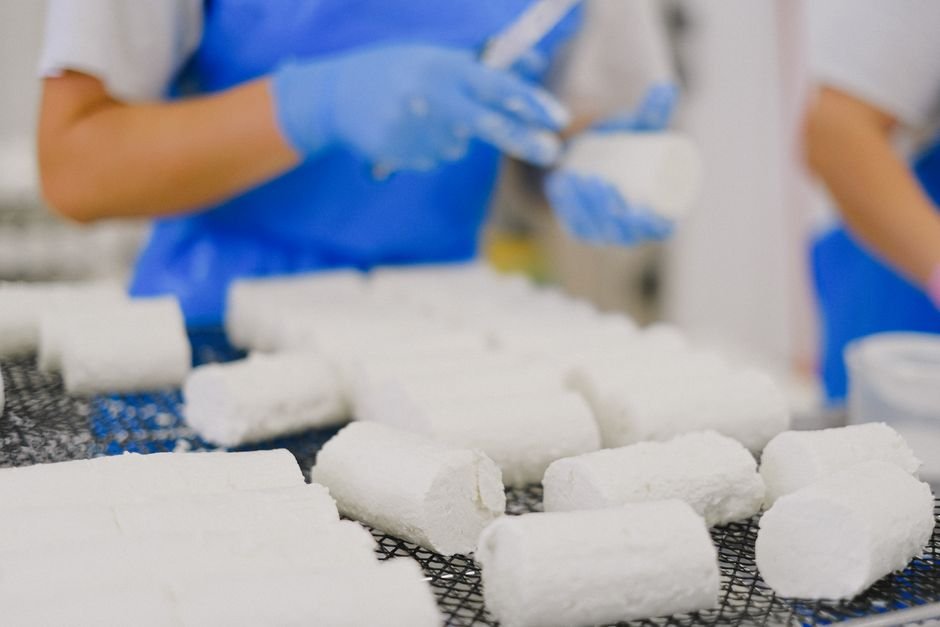
Making more cottage cheese means adding production lines, expanding facilities, or building new plants. None of that happens quickly. Lead times for dairy equipment run months to years, and the capital investment required is significant. Brands like Organic Valley and Good Culture have both publicly acknowledged that demand outpaced what their operations could produce.
This puts dairy producers in a genuinely difficult position. Do you spend millions building new capacity for a trend that might cool off before the new lines are even running? The hard seltzer boom is a useful comparison here. Beverage companies rushed to build capacity for hard seltzer when it exploded in popularity—then found themselves with excess production capacity as demand faded faster than expected. Dairy producers are watching that example closely.
The result is a cautious approach to expansion. Some producers are increasing output where they can, but nobody is betting the business on TikTok protein trends lasting forever. That hesitation, while rational, keeps supply tight in the short term.
The Shortage Looks Different Depending on Where You Are
This is not one uniform global shortage. The causes and intensity vary quite a bit by region.
United States and Canada
In North America, the shortage is driven by demand. U.S. shoppers report empty shelves, inconsistent brand availability, and rising prices. In Canada, the situation is similar but the price impact is starker. Analysts estimate cottage cheese prices in Canada have risen roughly 60% since 2020. Retailers including Loblaw and Metro have confirmed higher demand and persistent supply pressure.
Canadian shoppers are dealing with both inflation and a demand surge at the same time, which makes the price increases feel especially sharp.
Australia
Australia is experiencing a similar demand-driven shortage. Local brands like Bulla and Brancourts have increased production, but shelves still empty out regularly. Fitness and wellness trends are clearing stock faster than it can be restocked, even as output rises.
Israel: A Different Problem Entirely
Israel’s cottage cheese shortage has almost nothing to do with TikTok. In this case, a technical malfunction in Tnuva’s automated warehouse system at the Alon Tavor plant disrupted distribution for weeks. Pallets couldn’t be dispatched properly, which meant product sat in the facility while shelves ran empty.
Fixing the system required specialized international technicians from the equipment supplier, but travel was restricted due to security conditions. Competitors Strauss and Tara didn’t have the spare capacity to cover the gap. Holiday-related production interruptions—including Shavuot and Eid al-Fitr—extended the problem further.
The Israel case is worth paying attention to even if you’re not in the region. It shows how a single point of failure in an automated system can cause a regional shortage even when the underlying demand is relatively stable. One warehouse system goes down, and the shelves go empty. That’s a supply chain fragility problem that affects industries far beyond dairy.
What Brands and Retailers Are Actually Doing About It
The industry response has been uneven, which explains why availability feels so patchy depending on where you shop.
Some brands are prioritizing certain retail partners. Good Culture, for example, tends to be more consistently stocked at Target, Wegmans, and Walmart—though even those locations see week-to-week variability. If your usual store is out, checking a different retailer often helps.
Good Culture’s recent acquisition by a private equity firm has drawn consumer skepticism. Some shoppers believe that profit targets are influencing how production and supply decisions get made. Whether or not that’s true, the perception itself is affecting brand trust. This is a real business issue for any brand operating in a category where consumers are already paying close attention to ingredients, sourcing, and company ownership.
On the retail side, some grocers are expanding private-label cottage cheese to capture demand when national brands are unavailable. That’s a standard response to branded product shortages, and it has long-term implications. If shoppers try a store brand out of necessity and find it acceptable, some of them won’t switch back. That erodes market share for the national brands once supply normalizes.
Premium and challenger brands are navigating this differently. Scarcity, in some cases, has reinforced the perception of exclusivity around smaller, clean-label brands. That’s not a deliberate strategy so much as an accidental benefit—but some brands are leaning into it through social media marketing and community engagement while they work on expanding production.
How Prices Have Changed and What Consumers Are Saying
Price increases in cottage cheese are coming from two directions at once: general food inflation and demand-driven pressure. The combination is pushing prices noticeably higher, and consumers are noticing.
In Canada, the roughly 60% price increase since 2020 is significant enough that it’s showing up in mainstream news coverage and policy discussions about grocery affordability. In the U.S., the increases are less dramatic but still visible at the shelf level.
Some consumers are also frustrated by what they describe as shrinkflation—smaller container sizes at similar or higher prices. Whether that’s actually happening at scale or is a perception issue is harder to verify, but the frustration is real and affects brand loyalty.
The broader protein craze is also putting upward pressure on related products. Whey protein, Greek yogurt, and other high-protein dairy items are seeing elevated demand, which means the ripple effects of the cottage cheese trend are spreading across the dairy aisle.
What You Can Use as a Substitute
If you can’t find cottage cheese, or the price has gotten too high to justify, there are practical alternatives that work for most of the same uses.
- Greek yogurt is the closest substitute for texture and protein content in most recipes.
- Ricotta works well in cooked dishes and as a spread.
- Eggs, tuna, tofu, lentils, and beans are solid non-dairy options if you’re replacing cottage cheese as a protein source in meals.
Keep in mind that if a large number of people switch to Greek yogurt because cottage cheese is unavailable, that category can start seeing its own supply pressure. That’s already happening to some degree, as influencers and recipe creators adjust their content around what’s actually on shelves.
Is This Shortage Temporary or a Sign of Something Bigger?
The honest answer is: probably both, depending on what you’re measuring.
The acute shortage—empty shelves, extreme price spikes, week-to-week variability—is likely temporary. Producers are expanding capacity, and supply will eventually catch up with current demand. That part should resolve within a year or two, assuming the trend doesn’t continue accelerating.
But the structural shift underneath it may be more lasting. Cottage cheese has genuinely repositioned itself in the dairy category. It’s no longer a niche diet food—it’s a mainstream protein source with a growing and diverse consumer base. Even if TikTok moves on to the next thing, a meaningful portion of the people who discovered cottage cheese through viral recipes will keep buying it.
For dairy companies and retailers, this means the category deserves serious long-term investment attention, not just reactive capacity management. The brands that make smart decisions now about production, retail partnerships, and product development will be better positioned when the supply-demand gap finally closes.
For a broader look at how demand shocks, supply chain planning, and food industry trends affect business strategy, Step Business Advice covers these topics in practical, straightforward terms.
The cottage cheese shortage is a good reminder that supply chains are built around predictable patterns—and that social media has made those patterns much harder to predict. Any food producer, retailer, or investor paying attention to this category should be asking a simple question: what’s the next product that a single viral video could turn into an overnight supply crisis?
Also Read: